Vettey
Try free

Make friends as an adult

Meet people, turn acquaintances into friends, and keep friendships going, with the best-rated book, video and research for each step.

Rated with our published methodupdated 4 November 2026no paid placement, everHow we rate

11 steps · 4 videos · 21 books · 29 studies · 28 websites · ✓ 207 success reports

3 stages, in order

Each step shows the best option of each kind first; “See more” has the rest.

1. Make friends and grow closer5 steps · 44 items
1Start here: the core book1 book

Read the core book first. It covers most of the path; then pick the steps below that match what you need most.

Book

Start here: the core book

We Should Get Together

Kat Vellos, 2020

77Highly rated

★ 3.84 on Goodreads (1,030) · about 8 hours

14 of 16 readers who said either way said it helped

From 30 sampled Goodreads reviews: 14 helped, 2 didn't; the rest didn't say.

Practitioner experience

A friendship coach's playbook: check proximity, frequency, compatibility and commitment, trade small talk for better questions, and put friends on a schedule.

“Texted and called friends twice as often; keeps using the book's conversation questions with partner, friends and strangers.”

▸ Why it's rated 77

Scorecard

Reader outcomes 40%

87

Content quality 20%

60

Author credibility 20%

70

Goal relevance 10%

100

Rating and format 10%

66

What readers said helped (paraphrased)

  • Texted and called friends twice as often; keeps using the book's conversation questions with partner, friends and strangers.
  • Set recurring reminders to message friends, began inviting people over casually, and is working on deepening a recent friendship.
  • Despite reservations, took away that friendships come from large amounts of shared time, so one must seek repeated, regular contact.
  • Contacted nine old and new connections midway through; saw where some friendships need to grow and why others thrive.
  • Realised an existing calming habit applies to meeting people, and that childhood-style frequent contact can be recreated.
  • Found the four-factor model of connection helpful; it confirmed their sense that routine is needed to bond with people.
  • Prompted them to examine their friendships and how they behave toward friends; plans to return to it repeatedly.
  • Kept brainstorming ways to meet friends while reading; saw how to commit and follow through better in other areas too.
  • Used the book as a prompt to think about being more intentional in all their relationships.
  • Says they are already applying the author's guidance in their own life, though gives no specifics.
  • Mostly unhelpful and aimed at a different demographic, but it did prompt them to text several friends to meet up.
  • Starting a new job, they tried the friendship prompts in real time and found them helpful.
  • Left them so introspective they missed their stop; inspired to reconnect with a writing group and friends.
  • Made them grateful for current friendships and served as a check on areas where they still want to grow.
Why it didn't help some
  • Found strategies forced; says pushing friendships has never worked for them; book skips how to find willing friends.
  • Finished it, but found no advice on making friends from scratch, which was what they needed.

Critics say: Several readers found the advice geared to single, child-free city dwellers and of little use to parents or to people starting with no friends at all; some disliked how engineered the suggested tactics feel.

Rated for

Set a time budget that fits around family, work and health 77Keep friends through life changes (moves, kids, new jobs) 77Stay in touch when time is short 77Have deeper conversations 77Choose who to invest in 75Cope with loneliness while you build 75Manage social anxiety, shyness or low confidence 75

Key takeaways

  • Check each friendship for four ingredients (proximity, frequency, compatibility, commitment) and deliberately add whichever is missing.
  • Swap small talk for prepared, more personal questions; the book supplies lists of prompts for one-to-one or group conversations.
  • Put friendship on a schedule: recurring reminders to check in and standing dates, so contact doesn't depend on finding spare time.

From the first 30 Goodreads reviews, read 13 October 2026, each coded as helped, didn't help, already knew it or no verdict. Weighted to all 1,030 ratings, about 87% of readers who said whether it helped said it did. 1 reader says the effect has lasted. Audiobook.

Find on AudibleGoodreads page

+ Add a note

2Meet people you could be friends with1 video2 books3 studies12 websites

Go where the same people turn up again and again, such as a weekly class or group, and chat to people you don't know. It tends to go better than you'd predict.

Video

How to MAKE FRIENDS as an ADULT: the best way to make new friends
8:37

How to MAKE FRIENDS as an ADULT: the best way to make new friends

Orion Taraban
74
Highly rated
✓ Viewers report results🎓 Clinical Psychologist
“I joined my first band at age 48. 10 years later i have made several friends....”
✓ 12 success reports· 3 failures
Tap for details ↓

Why this one: Joining something that meets regularly and works towards a goal, from a clinical psychologist.

Best book

Meet people you could be friends with

The Power of Strangers

Joe Keohane, 2021

73Highly rated

★ 3.90 on Goodreads (1,253) · about 13 hours

7 of 9 readers who said either way said it helped

From 30 sampled Goodreads reviews: 7 helped, 2 didn't; the rest didn't say.

Journalism and reported research

A journalist's tour of the research on talking to strangers, with openers and evidence that it goes better than we fear.

“Finished with deeper understanding of how sociability connects to wider social issues; reports a lasting impact.”

▸ Why it's rated 73

Scorecard

Reader outcomes 40%

90

Content quality 20%

49

Author credibility 20%

60

Goal relevance 10%

100

Rating and format 10%

55

What readers said helped (paraphrased)

  • Finished with deeper understanding of how sociability connects to wider social issues; reports a lasting impact.
  • Though still not good at talking to strangers, they came away convinced of the benefits of doing so.
  • Recognised they often treat strangers as obstacles rather than people; called it a wake-up call; gained a few tricks.
  • Realised the childhood stranger-danger lessons were absurd and that phone-call anxiety reflects wider social alienation; felt personally touched.
  • Gained appreciation for the depth in everyone around them; now watches how conversation partners react to small-talk topics.
  • Book reinforced their changed thinking about approaching strangers and motivated them to step outside their comfort zone and interact more.
  • Inspired by the book, they struck up a great conversation with a stranger on a flight.
Why it didn't help some
  • Did not get past chapter two.
  • Hoped to learn how to start conversations with strangers but learned little; few chapters helped, the rest was boring.

Critics say: Readers say it is long and repetitive, with history and theory crowding out practical how-to; a few dislike its political asides.

Rated for

Start conversations with people you don't know 73Cope with loneliness while you build 71

Key takeaways

  • Break the script: answer 'How are you?' with something specific and true, then ask a real question back.
  • Open with a comment on something you both can see or share (the queue, the dog, the delay) rather than a personal question.
  • Expect it to go better than you fear: research shows people enjoy these chats more than predicted, so start with small exchanges.

From the first 30 Goodreads reviews, read 13 October 2026, each coded as helped, didn't help, already knew it or no verdict. Weighted to all 1,253 ratings, about 90% of readers who said whether it helped said it did. 1 reader says the effect has lasted. Audiobook, 12.9 h.

Find on AudibleGoodreads page

▸ See 1 more bookMembers

Best study

Talk to strangers: it goes better than people predict.

Epley & Schroeder (2014) (Journal of Experimental Psychology: General) ↗

74GoodStudy quality

What it found: Commuters on trains and buses who were asked to talk to a stranger had more pleasant journeys than those told to keep to themselves. Other commuters predicted the opposite, partly because they underestimated how keen strangers were to talk.

What it means for you: Start the small chat. Brief conversations with strangers tend to go better than you'd guess.

The figures and the limit

Commuters asked to talk to a stranger had more pleasant journeys than those told to keep to themselves. Other commuters predicted the opposite, partly because they underestimated strangers' interest in talking.

The limit: Commuters on trains and buses; brief conversations.

▸ See 2 more studiesMembers

Website: start here

Best for: Free, credentialed short articles on adult friendship, such as assuming people like you, taking the initiative, joining recurring groups, and telling people you like them.

Caution: Psychology Today blog quality varies by author, so stick to credentialed bloggers like Franco. Many posts are adapted from the author's book.

▸ See 11 more websitesMembers

+ Add a note

3Turn acquaintances into friends3 studies6 websites

Make the invitation, share something real and let them share back, then turn one-offs into a regular catch-up. People agree to help and welcome check-ins more than you'd expect; invitations weren't tested directly.

Best study

57LimitedStudy quality

What it found: In experiments, people underestimated by as much as 50% how likely others were to agree to a direct request for help. Separately, people underestimated how much others appreciated a check-in message or a small gift.

What it means for you: Make the invitation. People agreed to requests more often than expected, though invitations themselves weren't tested.

The figures and the limit

Flynn & Lake (2008): across six studies, people underestimated by as much as 50% how likely others were to agree to a direct request for help, because they focused on the cost of helping and overlooked the social cost of saying no. Liu, Rim, Min & Min (2023): across preregistered experiments, people underestimated how much others appreciated a check-in message or small gift, possibly because recipients focus on the pleasant surprise.

The limit: The studies tested requests for help and brief check-ins, not invitations as such.

▸ See 2 more studiesMembers

Website: start here

Website

Greater Good Magazine (UC Berkeley) ↗

Greater Good Science Center, University of California, Berkeley

Best for: Free, research-based articles on making and deepening friendships, with practical steps.

Caution: There is no working friendship topic page (/topic/friendship returns 404), so friendship content is scattered across articles; use the Social Connection topic page. The research base is mostly US.

▸ See 5 more websitesMembers

+ Add a note

4Go from friend to close friend3 books3 studies6 websites

Open up a little more over time and take turns sharing. Show you understand, celebrate their good news with real interest, and say thanks or ask for help. Both land better than you'd think.

Best book

Go from friend to close friend

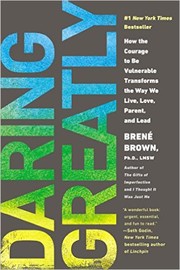
Daring Greatly

Brené Brown, 2012

91Top rated

★ 4.29 on Goodreads (250,332) · about 7 hours

12 of 17 readers who said either way said it helped

From 30 sampled Goodreads reviews: 12 helped, 5 didn't, 2 already knew most of it; the rest didn't say.

Claim: Research professor, University of HoustonAuthor's own research

A researcher's account of vulnerability and shame: why opening up builds connection, and how trust is earned in small moments.

Heavier read: 3 of 30 sampled readers found it hard going (loose structure; abstract ideas of vulnerability and shame).

The idea to hold onto: Vulnerability is not weakness or oversharing; it is taking a measured emotional risk with someone who has earned trust, and closeness grows from those risks.

What to read for this goal: For this stage: 'Introduction: My Adventures in the Arena', 'Scarcity: Looking Inside Our Culture of "Never Enough"', 'Debunking the Vulnerability Myths', 'Understanding and Combating Shame' and 'The Vulnerability Armory'. "Mind the Gap", the education, work and parenting chapters and the grounded-theory appendix are optional.

Key terms, and if it's too heavy · 1 min
  • Vulnerability: Brown's word for emotional exposure when the outcome is uncertain and there is real risk, such as reaching out first or admitting a feeling.
  • Shame versus guilt: Guilt is discomfort about something you did; shame is the feeling that you yourself are flawed and unworthy of connection. Brown treats guilt as useful.
  • Scarcity: A cultural sense that nobody is ever enough (safe, successful, good-looking), which Brown argues breeds comparison, fear and disengagement.
  • The vulnerability armory: The shields people raise to avoid feeling exposed, such as perfectionism, numbing, and bracing against joy in case something goes wrong.
  • Marble jar: Brown's image for trust: it fills slowly through many small acts of care and reliability, not one grand gesture.

Too heavy? Try The Relationship Cure (Book Rating 92 on this page) first: practical steps built on one idea: noticing and answering everyday bids for connection.

Our summary, not the author's words; checked 18 Oct 2026 against Open Library (Gotham 2012 contents), UNT Libraries catalogue contents.

“Naming their own bad emotional habits, as the book does, reduced those habits' hold on them.”

▸ Why it's rated 91

Scorecard

Reader outcomes 40%

94

Content quality 20%

70

Author credibility 20%

100

Goal relevance 10%

100

Rating and format 10%

92

What readers said helped (paraphrased)

  • Naming their own bad emotional habits, as the book does, reduced those habits' hold on them.
  • Calls it life-changing and describes daring to put forward a conference talk despite fear of rejection.
  • Gained a very different outlook on vulnerability and better understanding of their own and others' vulnerability, shame and scarcity.
  • Applied the book's ideas at work to stop a student shaming another; the student then apologised.
  • Recognised from the guilt-versus-shame distinction that they hold a shame view of themselves; has been applying lessons slowly.
  • Says the book really helped them through a difficult year, without specifics.
  • Recognised they tie their self-worth to audience reactions to their writing, and drew on the book's ideas about it.
  • Reports an eye-opening shift in seeing vulnerability as courage and honesty rather than weakness.
  • Recognised their own over-sharing, and recently began dropping the word 'but' from everyday speech.
  • Read it after losing both parents; it helped them reframe those relationships with more compassion for the parents and themselves.
  • Persuaded to rethink how they view vulnerability and shame and to work on personal changes.
  • Says the author's work changed their life and the way they see relationships, leadership and personal growth.
Why it didn't help some
  • Wanted concrete advice and detail but found only generalities; could not finish.
  • Gave up in the first chapter, finding it disorganised and unreadable.
  • Hoped for guidance and direction but found narratives and platitudes instead; unsatisfying and unhelpful.
  • Wanted help becoming more courageous but found no practical suggestions or tools; confused by the book's framing of shame.
  • Still could not grasp what vulnerability means after finishing; found its claims disconnected and exaggerated.

Already knew most of it

  • Found nothing new or life-changing, as they have long worked on shame and authenticity themselves.
  • Found the book to be common sense and did not buy into the hype.

Critics say: Detractors find it general, anecdote-heavy and short on concrete steps or hard evidence; several say it restates common sense, and a few dispute her research or her definition of shame.

Rated for

Open up and let people know you (vulnerability, self-disclosure) 91Be yourself around friends (authenticity) 88

Key takeaways

  • Share personal things gradually with people who have earned your trust through small reliable acts; trust builds like marbles added to a jar.
  • When shame hits, recognise it and its trigger, reality-check the expectation behind it, then tell someone trusted; shame weakens when spoken.
  • Notice your armour (perfectionism, numbing, bracing for disaster when things go well) and counter it, for example by practising gratitude in joyful moments.

From the first 30 Goodreads reviews, read 13 October 2026, each coded as helped, didn't help, already knew it or no verdict. Weighted to all 250,332 ratings, about 94% of readers who said whether it helped said it did. Audiobook, 6.5 h.

Find on AudibleGoodreads page

▸ See 2 more booksMembers

Best study

50LimitedStudy quality

What it found: In lab and field experiments, people writing thank-you letters underestimated how good recipients would feel and overestimated how awkward it would be. Separately, people underestimated by as much as 50% how likely others were to agree to a direct request for help.

What it means for you: Send the thanks and ask for the favour. Both tend to land better than you fear.

The figures and the limit

Kumar & Epley (2018): people writing gratitude letters underestimated how positive recipients would feel and overestimated how awkward recipients would feel. Flynn & Lake (2008): people underestimated by as much as 50% how likely others were to agree to a direct request for help.

The limit: Lab and field experiments.

▸ See 2 more studiesMembers

Website: start here

Website

36 Questions for Increasing Closeness ↗

Greater Good in Action (UC Berkeley GGSC); NYT article by Daniel Jones, Jan 9, 2015 (https://nyti.ms/1BWQijj)

Best for: A free, structured 45-minute exercise of escalating mutual self-disclosure to turn an acquaintance into a closer friend. GGIA says it is 'useful for anyone you want to feel close to, including co-workers, family members, friends, and acquaintances'.

Caution: The NYT framing is romantic, and nytimes.com blocked our fetcher, so the NYT details come from a PDF copy. Later questions are intense (e.g. 'What is your most terrible memory?'); GGIA advises making sure both people are comfortable sharing personal thoughts.

▸ See 5 more websitesMembers

+ Add a note

5Keep friendships going2 studies2 websites

Keep in regular contact and keep doing things together; friendships fade faster than family ties when contact drops. Bring positivity, support and openness. The evidence comes from students and shows links, not proof.

Best study

Keep up contact and shared activities: friendships fade faster than family ties when contact drops.

Roberts & Dunbar (2011) (Evolution and Human Behavior) ↗

54LimitedStudy quality

What it found: Following 25 students for 18 months as they moved from school to university, closeness to friends fell more than closeness to family when contact and shared activities dropped. It's a small observational study.

What it means for you: Friendships need regular contact and things done together. Without them, they fade faster than family ties.

The figures and the limit

Following students for 18 months as they moved from school to university, closeness to friends was more sensitive than closeness to family to drops in contact and in things done together.

The limit: 25 students; a small, detailed, observational study.

▸ See 1 more studyMembers

Website: start here

Website

Greater Good Magazine (UC Berkeley) ↗

Greater Good Science Center, University of California, Berkeley

Best for: Free, research-based articles on making and deepening friendships, with practical steps.

Caution: There is no working friendship topic page (/topic/friendship returns 404), so friendship content is scattered across articles; use the Social Connection topic page. The research base is mostly US.

▸ See 1 more websiteMembers

+ Add a note

2. Skills and mindset that help3 steps · 42 items
1Decide what you want from friendship1 video3 books3 studies7 websites

Treat friendship as part of your health, and budget the hours: a good friend took more than 200. Expect turnover and a small inner circle, and lean on several people. Mostly links, not proof.

Video

the 6 friendship rules i use to build a real village
15:16

the 6 friendship rules i use to build a real village

nadeen
68
Well rated
✓ Viewers report results
“I was struggling with a childhood best friend, I felt used, unseen and not important....”
✓ 12 success reports· 5 failures
Tap for details ↓

Why this one: Rules for choosing who gets close access to you, and spotting one-way friendships.

Best book

Decide what you want from friendship

Vital Friends

Tom Rath, 2006

90Top rated

★ 3.68 on Goodreads (777) · about 6 hours

7 of 7 readers who said either way said it helped

From 30 sampled Goodreads reviews: 7 helped, 0 didn't; the rest didn't say.

Claim: Former Gallup senior scientistAuthor's own research

Gallup research on the eight roles friends play, so you stop expecting one person to be everything and tell each friend what they add.

“Prompted reflection on how to be a better friend and motivated building community for others.”

▸ Why it's rated 90

Scorecard

Reader outcomes 40%

95

Content quality 20%

80

Author credibility 20%

100

Goal relevance 10%

100

Rating and format 10%

59

What readers said helped (paraphrased)

  • Prompted reflection on how to be a better friend and motivated building community for others.
  • Took the assessment for people in their life and enjoyed it, though the overall message felt unsurprising.
  • Quiz on friends' contributions helped them see how to relate to specific people and what to give back.
  • Understood why workplace surveys ask about a best friend at work; liked learning the friend types.
  • Gained insight into what role they play in friendship and into work-life balance; liked the reflection spaces.
  • Learned more about their relationships and how to keep showing up for people, with different approaches per person.
  • Mapped own experiences with friends and acquaintances onto the book's online questionnaire and found it interesting.
Why it didn't help some

Critics say: Readers call it basic and dated, find the role framework formulaic, and dislike its emphasis on what friends provide for you.

Rated for

Understand what friends add that a partner, family and work don't 90Turn school parents, neighbours and colleagues into friends 90

Key takeaways

  • Stop expecting any one friend to be everything; identify the particular role each plays, such as Builder, Champion, Connector, Energizer or Navigator.
  • Tell friends what they specifically contribute to your life, and work out which role you play for them.
  • Friendships at work lift engagement and wellbeing; make room for them and, as a manager, encourage them.

From the first 30 Goodreads reviews, read 13 October 2026, each coded as helped, didn't help, already knew it or no verdict. Weighted to all 777 ratings, about 95% of readers who said whether it helped said it did. Abridged or adapted audio only.

Find on AudibleGoodreads page

▸ See 2 more booksMembers

Best study

Treat social connection, friendship included, as a health priority.

Holt-Lunstad, Smith & Layton (2010) (PLoS Medicine) ↗

70GoodStudy quality

What it found: Across 148 studies of 308,849 people followed over time, those with stronger social relationships were less likely to die during follow-up, across ages and both sexes. It's a link, not proof, and it covers all kinds of relationships, not just friendship.

What it means for you: Treat time with friends and family as part of looking after your health, not a luxury.

The figures and the limit

Across 148 studies of 308,849 people, those with stronger social relationships had about 50% higher odds of surviving over the follow-up periods (odds ratio 1.5), across ages and both sexes.

The limit: Observational studies, so an association rather than proof of cause. It covers social relationships of all kinds, not friendship alone.

▸ See 2 more studiesMembers

Website: start here

Website

Greater Good Magazine (UC Berkeley) ↗

Greater Good Science Center, University of California, Berkeley

Best for: Free, research-based articles on making and deepening friendships, with practical steps.

Caution: There is no working friendship topic page (/topic/friendship returns 404), so friendship content is scattered across articles; use the Social Connection topic page. The research base is mostly US.

▸ See 6 more websitesMembers

+ Add a note

2Get past what holds you back1 video3 books4 studies7 websites

Assume people like you more than you think, and go in expecting to be welcome; that warmth helps you get accepted. Question the story that you'll be turned down, and read teasing by its cues.

Video

How Do You Make Friends if You Have Social Anxiety? | Kati Morton
10:02

How Do You Make Friends if You Have Social Anxiety? | Kati Morton

Kati Morton
78
Highly rated
✓ Viewers report results🎓 Licensed Therapist (LMFT)
“The tip about getting together with people whom you have something in common with is really good....”
✓ 12 success reports· 3 failures
Tap for details ↓

Why this one: Nine strategies for making friends with social anxiety, from a licensed therapist.

Best book

Get past what holds you back

Attached

Amir Levine and Rachel Heller, 2010

90Top rated

★ 4.12 on Goodreads (134,393) · about 7 hours

7 of 12 readers who said either way said it helped

From 30 sampled Goodreads reviews: 7 helped, 5 didn't; the rest didn't say.

Claim: Columbia psychiatry professorSynthesis of published research

The bestselling guide to adult attachment styles (anxious, avoidant, secure). Written for romantic relationships, widely used to understand friendship patterns.

“Helped them understand why many of their relationships stop working; called it a real eye opener.”

▸ Why it's rated 90

Scorecard

Reader outcomes 40%

94

Content quality 20%

71

Author credibility 20%

100

Goal relevance 10%

100

Rating and format 10%

81

What readers said helped (paraphrased)

  • Helped them understand why many of their relationships stop working; called it a real eye opener.
  • Opened their eyes and made many puzzle pieces about attachment patterns come together.
  • The secure-base idea explained why they function better with a partner; otherwise felt they got less out of it.
  • Prompted thinking about their personal attachment style and its change across the years.
  • Helped them identify their own attachment style and coping patterns; realised they were anxiously attached early in their relationship.
  • Called it life-changing and has begun putting the lessons into practice, though it feels frightening.
  • Surprised to see their own relationships described, and realised they show far more anxious traits than they had admitted.
Why it didn't help some
  • Bought it to learn about avoidant attachment; found nothing for non-anxious types, and the little learned was overshadowed.
  • Had some a-ha moments but little guidance on what to do; a letdown and not helpful for avoidant types.
  • Said it fell far short of what they hoped for, despite an occasional relationship snippet.
  • Found hardly anything to help avoidant types overcome their problems; severely lacking, so they turned to another book.
  • Wanted to learn but found little to take away as a woman in a long-term same-sex marriage.

Critics say: Repeatedly criticised for sorting people into three over-simple types, casting avoidant people as the problem, focusing on heterosexual romantic couples and stretching the science; avoidant readers say it offers them little.

Rated for

Understand your attachment style 90

Key takeaways

  • Work out your own attachment style (anxious, avoidant or secure) and notice which situations switch on your alarm about closeness or distance.
  • Say what you need plainly and without blame instead of protest behaviour such as withdrawing, score-keeping or testing the other person.
  • Depending on reliable people makes you more independent, not less; favour consistent, responsive people over those who keep you guessing.

From the first 30 Goodreads reviews, read 13 October 2026, each coded as helped, didn't help, already knew it or no verdict. Weighted to all 134,393 ratings, about 94% of readers who said whether it helped said it did. Audiobook, 7.1 h.

Find on AudibleGoodreads page

Note: Written about romantic relationships; its ideas on anxious and avoidant styles carry over to friendship.

▸ See 2 more booksMembers

Best study

Check the story you tell yourself: unhelpful assumptions can keep people lonely, and vulnerability looks better from the outside.

Masi, Chen, Hawkley & Cacioppo (2011) (Personality and Social Psychology Review); Bruk, Scholl & Bless (2018) (Journal of Personality and Social Psychology) ↗

66GoodStudy quality

What it found: In a review of loneliness programs, the randomised trials that targeted unhelpful thoughts about other people had the largest effects, though trials showed smaller effects than uncontrolled studies. Separately, people judged others showing vulnerability more kindly than they judged it in themselves.

What it means for you: Question the story that people won't want you. Your openness looks better to others than to you.

The figures and the limit

Masi, Chen, Hawkley & Cacioppo (2011): in a meta-analysis of 50 loneliness interventions, randomised trials showed smaller effects than single-group and non-randomised studies, and among randomised trials, programs that targeted unhelpful thoughts about other people had the largest effects. Bruk, Scholl & Bless (2018): across seven studies, mostly imagined scenarios, people judged their own displays of vulnerability more negatively than the same displays by others.

The limit: Randomised trials showed smaller effects than uncontrolled studies.

▸ See 3 more studiesMembers

Website: start here

Best for: A 'completely free guide on how to improve social skills for adults', with a step-by-step section on making friends plus sections on shyness and conversation.

Caution: Long, text-heavy and not peer-reviewed. It promotes the paid book. We verified succeedsocially.com; we did not verify the 'socialskillsguidebook.com' or 'successfulsocializing' URLs.

▸ See 6 more websitesMembers

+ Add a note

3Build the social skills1 video3 books3 studies6 websites

Ask follow-up questions, go deeper sooner and take turns sharing. Give genuine compliments, and offer easy exits, since conversations rarely end when both people want them to.

Video

How to Easily Overcome Social Anxiety - Prof. Jordan Peterson
4:41

How to Easily Overcome Social Anxiety - Prof. Jordan Peterson

Jordan Peterson Fan Channel
61
Well rated
✓ Viewers report results📚 Research-Based
“I struggled with social anxiety until I was 18 years old....”
✓ 8 success reports· 0 failures
Tap for details ↓

Why this one: Shifting attention outward to read other people instead of monitoring yourself.

Best book

Build the social skills

Talk

Alison Wood Brooks, 2025

93Top rated

★ 3.99 on Goodreads (2,556) · about 10 hours

8 of 8 readers who said either way said it helped

From 30 sampled Goodreads reviews: 8 helped, 0 didn't, 3 already knew most of it; the rest didn't say.

Claim: Harvard Business School professorAuthor's own research

A Harvard researcher's evidence-based TALK framework: prepare topics, ask follow-up questions, add levity and show you were listening.

“Seeing their group-conversation struggles explained as normal dynamics left them feeling less self-conscious and more confident approaching such situations.”

▸ Why it's rated 93

Scorecard

Reader outcomes 40%

96

Content quality 20%

90

Author credibility 20%

100

Goal relevance 10%

100

Rating and format 10%

64

What readers said helped (paraphrased)

  • Seeing their group-conversation struggles explained as normal dynamics left them feeling less self-conscious and more confident approaching such situations.
  • Named being kinder as their biggest personal takeaway, though felt most of the content was review.
  • Identified own kindness and attentiveness as areas to improve; talking to strangers now seems doable.
  • Was surprised to learn that planning conversation topics helps, overturning their belief that good conversationalists simply flow.
  • While reading it, had a chat with a stranger at work that ended with praise, suggesting the methods work.
  • Learned a few things; preparing conversation topics in advance was the most helpful, surprising tip; stopped before finishing.
  • As someone awkward at conversing, found it extremely helpful for learning how to have deeper conversations; excited to practise.
  • Prompted reflection on how clearly they communicate and how the illusion of transparency affects their own life.
Why it didn't help some

Already knew most of it

  • Felt they already knew most of it intuitively, though appreciated having it spelled out plainly.
  • As a frequent reader of the genre, found most of it common sense and the mnemonic unhelpful.
  • Found it helpful but said the author's interview had already given them the same main takeaways.

Critics say: Several readers say much of it restates what socially fluent people already know, and that the acronym framework and examples lean towards professional or elite settings.

Rated for

Use humour and banter 93Make small talk and move past it 93Keep up by text and message 90Listen so people feel heard 90Raise a problem without wrecking the friendship 90Be yourself around friends (authenticity) 90Have deeper conversations 90

Key takeaways

  • Before seeing someone, jot down two or three topics you could raise, and switch topics as soon as one runs dry.
  • Ask more questions, especially follow-ups on what was just said; avoid 'boomerasking' - asking only so you can give your own answer.
  • Show listening in words, not nods: paraphrase, call back to something said earlier, and add light humour to keep energy up.

From the first 30 Goodreads reviews, read 13 October 2026, each coded as helped, didn't help, already knew it or no verdict. Weighted to all 2,556 ratings, about 96% of readers who said whether it helped said it did. Audiobook, 10.0 h.

Find on AudibleGoodreads page

▸ See 2 more booksMembers

Best study

What it found: In experiments, deep conversations between strangers felt less awkward and more connecting than people expected. Separately, undergraduate strangers who took turns sharing over Skype liked each other more than pairs where one person shared at length.

What it means for you: Ask about something that matters sooner, and take turns rather than holding the floor.

The figures and the limit

Kardas, Kumar & Epley (2022): across experiments, deep conversations between strangers felt less awkward and more connecting than people expected, partly because people underestimated how much strangers would care about what they shared. Sprecher, Treger, Wondra, Hilaire & Wallpe (2013): unacquainted undergraduates who took turns disclosing over Skype reported more liking and closeness than pairs in which one person disclosed for a whole conversation while the other listened, even after the pairs swapped roles.

The limit: Experiments with strangers; the turn-taking study used undergraduates talking over Skype.

▸ See 2 more studiesMembers

Website: start here

Best for: A 'completely free guide on how to improve social skills for adults', with a step-by-step section on making friends plus sections on shyness and conversation.

Caution: Long, text-heavy and not peer-reviewed. It promotes the paid book. We verified succeedsocially.com; we did not verify the 'socialskillsguidebook.com' or 'successfulsocializing' URLs.

▸ See 5 more websitesMembers

+ Add a note

3. Old friends, conflict and your circle3 steps · 16 items
1Rekindle old friendships3 studies

Reach out to the old friends you miss: a surprise message is appreciated more than you'd think. Call rather than email if you can. Revived ties can keep their old trust.

Best study

Reach out: a surprise message is appreciated more than you think.

Liu, Rim, Min & Min (2023) (Journal of Personality and Social Psychology) ↗

67GoodStudy quality

What it found: Across preregistered experiments, people underestimated how much others in their social circle appreciated a brief message or small gift out of the blue, possibly because recipients focus on the pleasant surprise.

What it means for you: Send the message to the old friend you miss. They'll likely value it more than you expect.

The figures and the limit

Across preregistered experiments, people underestimated how much others appreciated being reached out to, possibly because recipients focus on the pleasant surprise.

The limit: Brief messages and small gifts within people's social circles.

▸ See 2 more studiesMembers

+ Add a note

2Handle conflict, drift and endings3 books3 studies1 website

Start hard conversations gently. When you're in the wrong, take responsibility and offer to make it right. Forgiveness can be learned, and a friendship you feel mixed about may carry a stress cost.

Best book

Handle conflict, drift and endings

Forgive for Good

Fred Luskin, 2001

93Top rated

★ 4.06 on Goodreads (1,237) · about 9 hours

13 of 13 readers who said either way said it helped

From 30 sampled Goodreads reviews: 13 helped, 0 didn't; the rest didn't say.

Claim: Director, Stanford Forgiveness ProjectsAuthor's own research

The Stanford Forgiveness Project's research-tested method for letting go of grudges: rewrite your grievance story and drop 'unenforceable rules'.

Heavier read: 6 of 30 sampled readers found it hard going (steps and acronyms hard to follow; loose structure).

The idea to hold onto: Forgiving is for your own peace: it does not mean excusing what happened, reconciling, or forgetting. It means the past hurt stops running the present.

What to read for this goal: For this stage: Part 3, 'Forgive For Good', which holds the method, especially 'From Unenforceable Rules to Wishes and Hopes' and the two 'HEAL Method' chapters. Part 1, 'Creating a Grievance', explains how grudges form. Part 2 is optional.

Key terms, and if it's too heavy · 1 min
  • Grievance story: The account of a hurt that a person keeps retelling, with themselves as victim. Luskin's method rewrites it with the teller as someone who coped.
  • Unenforceable rules: Expectations about how other people must behave that you have no power to make them meet. Holding them as rules keeps the hurt alive.
  • Renting space: Luskin's image for how much of your mind a past hurt occupies. Forgiveness means taking that space back.
  • PERT: Positive Emotion Refocusing Technique: a short exercise that moves attention from the hurt to a positive feeling, to ease the stress reaction while the hurt is on your mind.
  • HEAL: The book's four-part acronym: Hope, Educate, Affirm, Long-term. It turns a specific grievance into a stated wish and a positive intention.

Too heavy? Try Set Boundaries, Find Peace (Book Rating 87 on this page) first: plain-spoken short chapters with quizzes, exercises and example scripts for setting boundaries.

Our summary, not the author's words; checked 18 Oct 2026 against NC Cardinal library record (contents note, 2002 HarperSanFrancisco), Spirituality & Practice review, Curled Up With a Good Book review.

“Learned to forgive intentionally, including themselves, which let them return to projects they had abandoned out of guilt.”

▸ Why it's rated 93

Scorecard

Reader outcomes 40%

97

Content quality 20%

90

Author credibility 20%

100

Goal relevance 10%

100

Rating and format 10%

66

What readers said helped (paraphrased)

  • Learned to forgive intentionally, including themselves, which let them return to projects they had abandoned out of guilt.
  • Helped them see that even small grudges crowd the mind and block enjoying the present; found its tools helpful.
  • Helped them reflect on painful moments from their past and learn not to take hurtful actions personally.
  • Life-changing: better understands why the mind holds us to the past, and says its recommendations really work.
  • Helped them notice what is in their control and how undiscussed expectations set others up to disappoint.
  • Life-changing; unenforceable rules insight struck them: focus on own response, which they can control, not others' actions.
  • The chapter on unenforceable rules really opened their eyes.
  • After a weekend reading and doing the exercises, the world felt different and better; their adapted steps worked beautifully.
  • Has been noticing when others impose rules on them and when they do the same, using the unenforceable-rules idea.
  • Realised they wasted years retelling their hurt story as a victim; now sees themselves as a hero.
  • Forgives bad drivers aloud and feels freer; the victim-to-hero exercise helped them move past a major betrayal.
  • Now sees their earlier belief that forgiveness excuses wrongdoing as mistaken; finds its steps for dropping grievances clear.
  • Found the self-forgiveness section meaningful for clarifying which things need forgiving and who gets to define a mistake.
Why it didn't help some

Critics say: Few objections among the reviews read; a couple of readers found it disorganised, longer than needed, and distracted by stories and promotion of the author's classes.

Rated for

Get over being dropped or left out (including forgiveness) 93

Key takeaways

  • Rewrite your grievance story: tell it briefly, with you as the person who coped and grew rather than the victim.
  • Spot your 'unenforceable rules' about how others must behave and reword each demand as a hope or wish.
  • When resentment flares, do PERT: two slow belly breaths, picture something you love, then ask your calmer self what to do.

From the first 30 Goodreads reviews, read 13 October 2026, each coded as helped, didn't help, already knew it or no verdict. Weighted to all 1,237 ratings, about 97% of readers who said whether it helped said it did. Audiobook, 9.4 h.

Find on AudibleGoodreads page

▸ See 2 more booksMembers

Best study

What it found: In a review of therapy-based programs, explicit forgiveness work increased forgiveness and eased depression and anxiety; longer programs went with more forgiveness. Separately, in a lab, discussing a problem with a friend people felt mixed about raised blood pressure more than with a supportive one.

What it means for you: Forgiveness can be learned. Notice which friendships leave you more stressed than supported.

The figures and the limit

Wade, Hoyt, Kidwell & Worthington (2014): in a meta-analysis of 54 research reports, explicit forgiveness therapies increased forgiveness more than no treatment and more than other treatments, and improved depression, anxiety and hope more than no treatment; longer treatments went with more forgiveness. Holt-Lunstad, Uchino, Smith & Hicks (2007): among 107 healthy adults, talking about a negative event with a friend they felt mixed about raised systolic blood pressure more than talking with a supportive friend.

The limit: Therapy-based programs; a lab measure of short-term stress.

▸ See 2 more studiesMembers

Website

YouTube channel

Kati Morton ↗

Licensed Marriage and Family Therapist (LMFT), author and speaker (as stated on the channel About page). · 1.6M subscribers

Best for: A licensed therapist's take on why adult friendship is hard, how to make friends when you have social anxiety, and when to end toxic friendships.

Caution: Friendship is a minor topic. The channel focuses on trauma/PTSD, eating disorders, anxiety and depression (per the About page). It is general education, not individual therapy.

+ Add a note

3Build a circle of friends3 books3 studies

Introduce your friends to each other and organise around a shared activity that repeats. Count acquaintances too: everyday contact with them is linked with higher well-being.

Best book

Build a circle of friends

The Art of Gathering

Priya Parker, 2018

79Highly rated

★ 3.93 on Goodreads (31,260) · about 9 hours

11 of 14 readers who said either way said it helped

From 30 sampled Goodreads reviews: 11 helped, 3 didn't, 3 already knew most of it; the rest didn't say.

Practitioner experience

Shows how to design a gathering around a clear purpose so guests connect and want to come back.

“Prompted them to rethink the purpose of hosting; years later they re-read it as a formative book.”

▸ Why it's rated 79

Scorecard

Reader outcomes 40%

96

Content quality 20%

50

Author credibility 20%

70

Goal relevance 10%

100

Rating and format 10%

62

What readers said helped (paraphrased)

  • Prompted them to rethink the purpose of hosting; years later they re-read it as a formative book.
  • Reflected on their own gatherings; on a second read got even more from it and plans to revisit.
  • Reframed how they think about hosting; listed lessons on structure, purposeful openings and closings, and selective guest lists.
  • Changed how they view their interactions in groups and their role in building lasting communities; plans to reread.
  • Learned a lot and found the new hosting ideas they were seeking, with things to consider for upcoming holiday gatherings.
  • Realised they often hold events without thinking about the purpose or what guests should take away.
  • Says it has already shifted how they approach meetings, reading groups, dinners and classroom dynamics.
  • Reframed how they see gatherings and has already started applying lessons from it in practice.
  • Gained several insights about meeting formats and space; it made them rethink an upcoming family meeting and their teaching.
  • Learned gatherings have many overlooked aspects, like openings and closings, that they had never considered; took many notes.
  • Had repeated aha moments about why gatherings need purpose and wondered why they had not considered it before.
Why it didn't help some
  • Expected a book on how couples meet; got event-planning material instead and found it padded.
  • Expected analysis of social interaction but got an event-planning recipe; thinks following its rules would make gatherings worse.
  • Did not finish; found the push to give every gathering a purpose and goals unappealing.

Already knew most of it

  • Considered most of the advice self-evident to anyone who has thrown parties, and felt it wasted their time.
  • Felt they were not the audience, having already thought about the topic; also did not finish.
  • Anecdotes felt repeated from a podcast interview they had already heard, which dulled their enjoyment of the book.

Critics say: Heavy name-dropping and elite or corporate examples, and it is more about events and meetings than about friendship.

Rated for

Host gatherings people come back to 79

Key takeaways

  • Start with a specific, unique and even 'disputable' purpose, and 'make purpose your bouncer' for every decision.
  • Choose guests to fit the purpose, even if that means leaving some out. Trying not to offend can fail the gathering and the people in it.
  • Host with 'generous authority': protect, equalise and connect your guests rather than abdicating control.

From the first 30 Goodreads reviews, read 13 October 2026, each coded as helped, didn't help, already knew it or no verdict. Weighted to all 31,260 ratings, about 96% of readers who said whether it helped said it did. 2 readers say the effect has lasted. Audiobook, 9.3 h.

Find on AudibleGoodreads page

▸ See 2 more booksMembers

Best study

Introduce your friends: shared contacts and shared settings create new ties.

Kossinets & Watts (2006) (Science) ↗

72GoodStudy quality

What it found: In one university's email network of 43,553 people, new connections formed mostly through existing shared contacts and shared settings such as classes.

What it means for you: Introduce friends who don't know each other, and bring them into the same settings.

The figures and the limit

In a university network of 43,553 people, new connections formed mostly through existing shared contacts and shared settings such as classes.

The limit: Email ties at one university.

▸ See 2 more studiesMembers

+ Add a note

How everything here is rated

Videos and books are ranked by what viewers and readers report actually happened. Rated studies are scored on how well they were done; the rest are our plain summaries, each with its main limit. Websites, channels and tools are listed for what they're good for, not yet rated. Results vary by individual circumstances.

  • Books carry Book Rating v1.2: the first 30 Goodreads reviews of each book coded as helped, didn't help or already knew it, with the same weights as the video score. A pick has to beat the typical book on reader outcomes.
  • Videos carry the Vettey score: what viewers reported in the comments after trying it (40%), content quality (20%), creator credibility (20%), goal relevance (10%) and metadata (10%). Only videos scoring 60 or more are listed.
  • Research findings are our summaries of published studies, each with its main limit and a link to the source. They aren't given a Study Rating.
  • Websites, channels and tools are listed for what they're good for, with any cautions. They aren't rated.

Updated 4 November 2026. How we rate research ·

A guide to videos, books, studies and websites. Results vary from person to person.